Holy Days
These are the special days during Holy Week:
- Palm Sunday
- Holy Monday
- Holy Tuesday
- Spy Wednesday
- Holy Thursday
- Good Friday
- Holy Saturday
- Easter Sunday
Palm Sunday
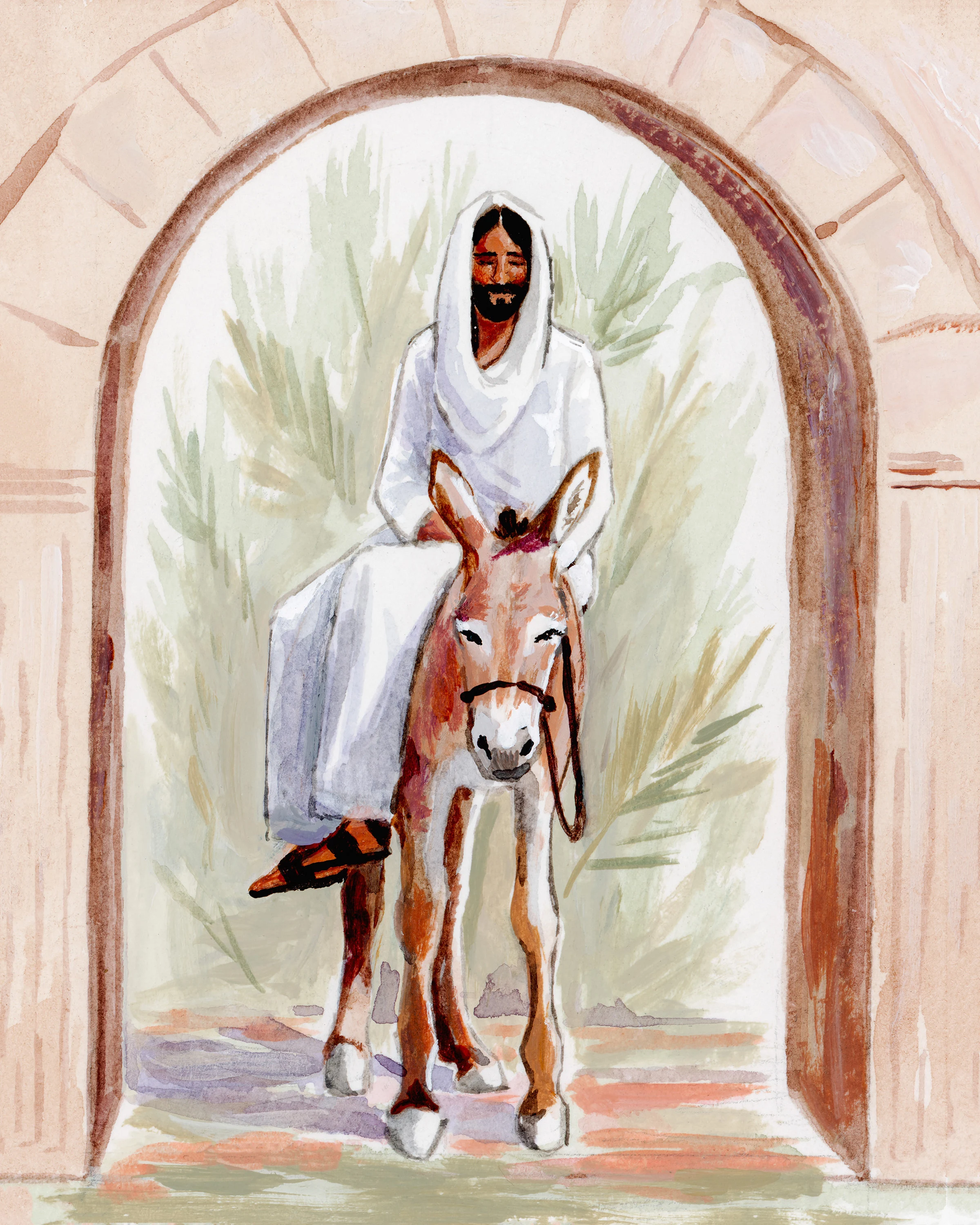
On Palm Sunday, Jesus arrived in Jerusalem on a donkey as crowds of people welcomed Him. They carpeted His path with palm branches and their cloaks.
This exciting arrival is a stark contrast to the events that will happen throughout the rest of Holy Week.
Holy Monday
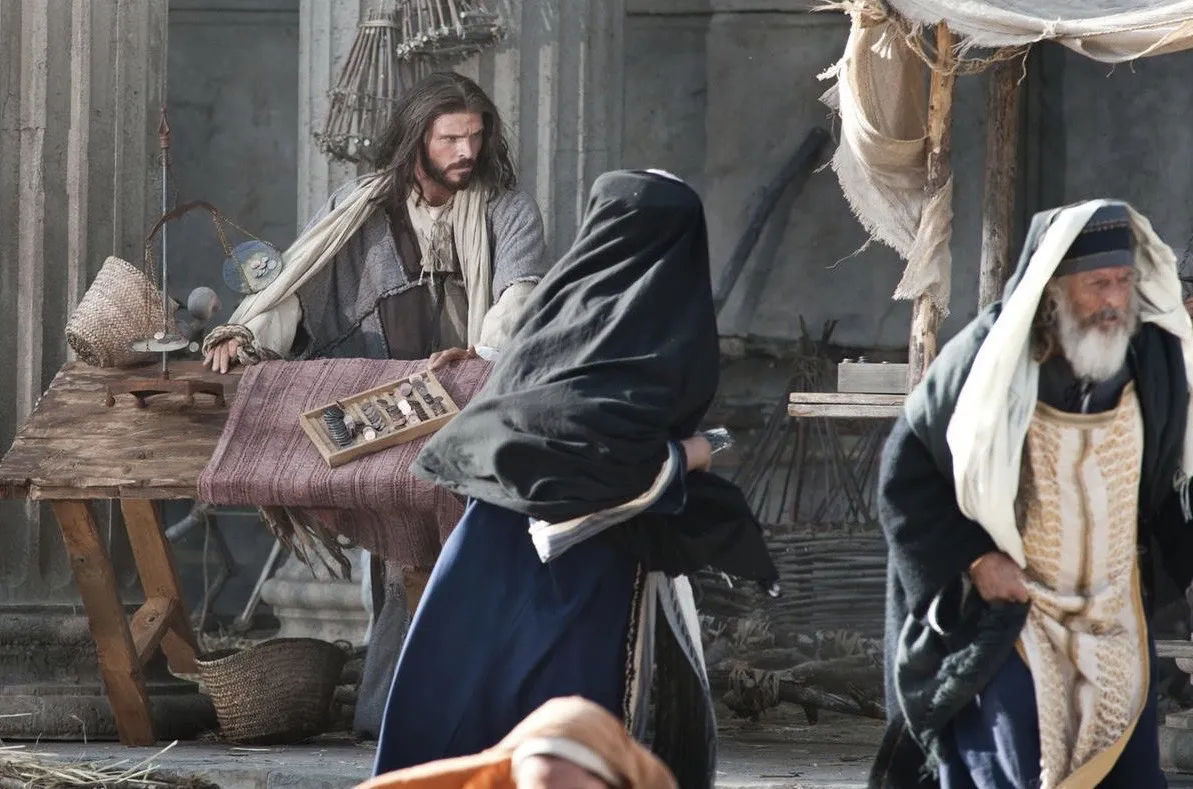
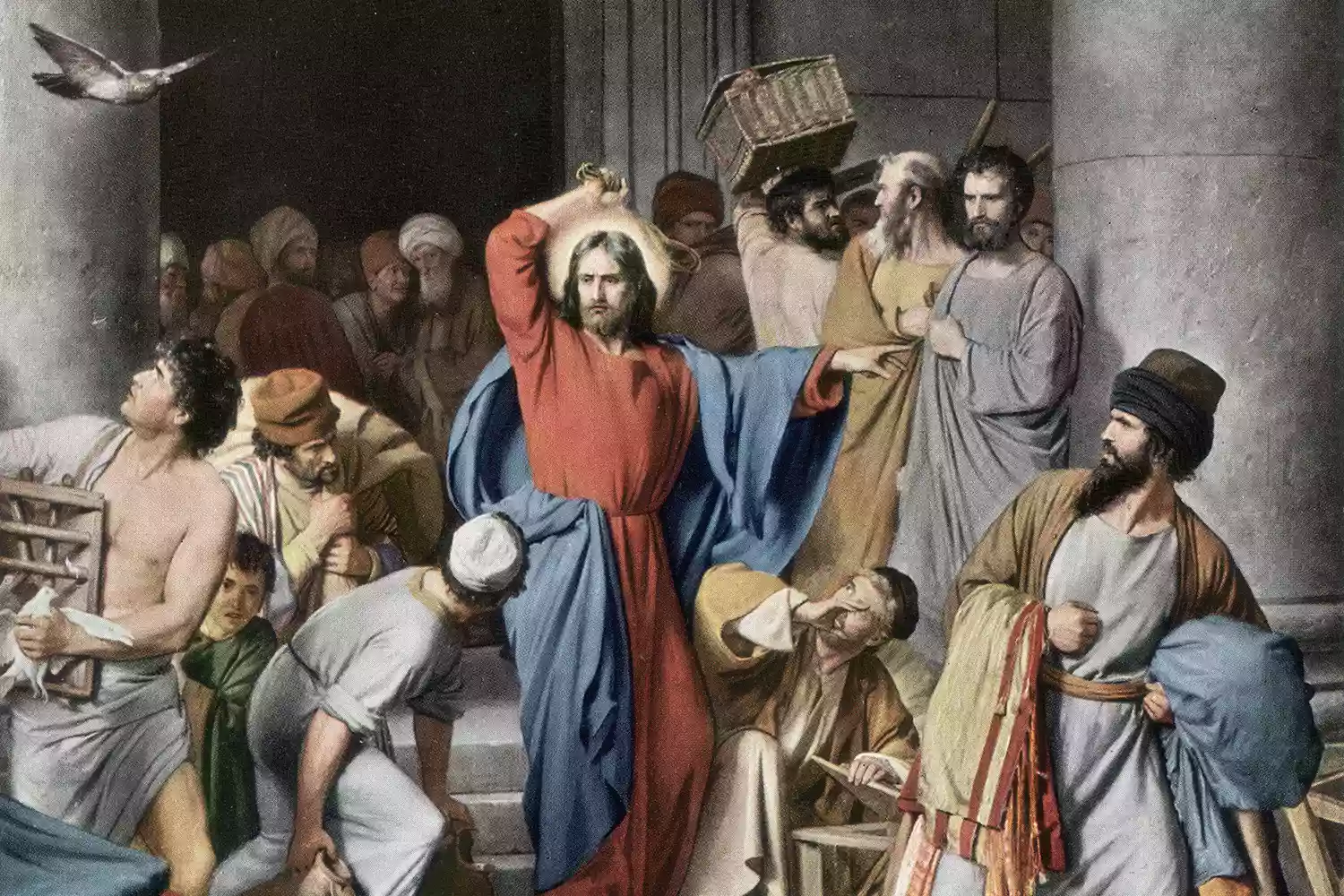
After Jesus entered Jerusalem, He noticed there were merchants and money-changers in the Temple. Angered by the disrespect being showed to God, He cleansed the Temple by overturning tables and drove the people out. This showed His authority over the Church and desire for purity in God's house.
Jesus also cursed the fig tree that bore leaves but no fruit. This is a judgment against those who appear religious but lack actual faith.
These events set the stage for the increasing tensions that would unfold throughout the rest of Holy Week.
Holy Tuesday
Jesus spent this day preaching and teaching in the Temple. He also engaged in intense debates with other religious leaders including the Pharisees, who tried questioning His authority and trapping Him with difficult questions.
He responded by delivering powerful parables such as the Parable of the Talents, which often spoke of the Kingdom of God, judgement and the importance of being prepared.
This day highlights the growing opposition to Jesus as He presented a challenge to the currently established Religious order.
Spy Wednesday
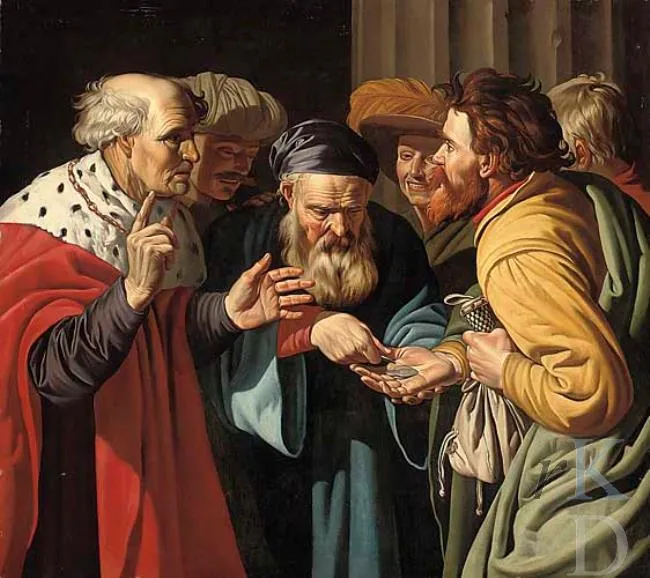
Also known as Holy Wednesday or Good Wednesday, this is the day Judas Iscariot betrayed Jesus to the Jewish authorities for 30 pieces of silver.
The term "Spy Wednesday" comes from the idea that Judas was a spy that was secretly plotting to hand Jesus over. Matthew 26:14-16 describes Judas's deal with the chief priests for 30 pieces of silver.
This sets in motion the arrest of Jesus, His trial and crucifixion.
Holy Thursday
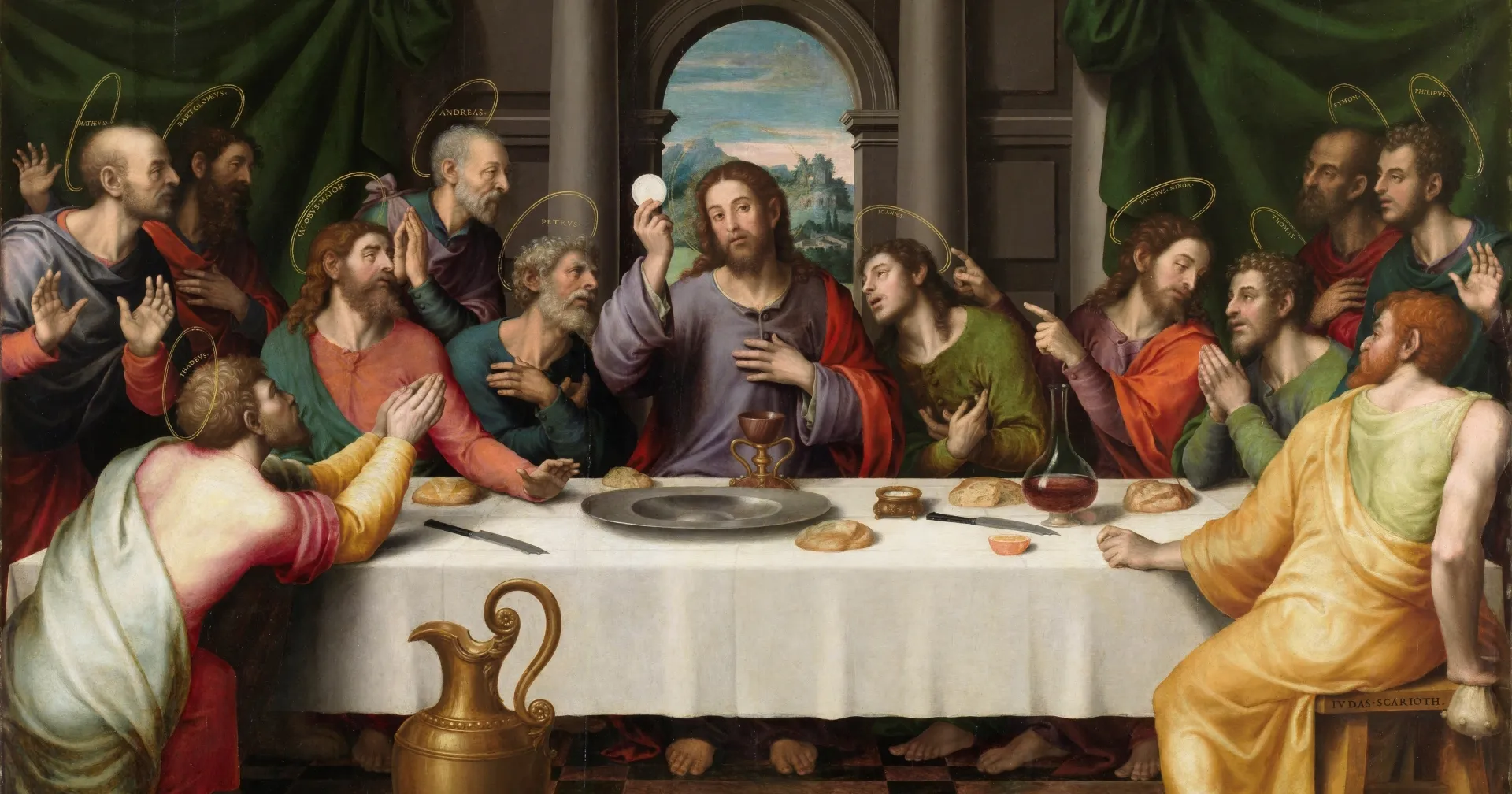
Holy Thursday commemorates the Last Supper, where Jesus instituted the Eucharist and the priesthood.
By taking bread and wine, blessing them and giving it to His disciples
saying "This is My body... This is My blood... Do this in remembrance of Me",
(Luke 22:19-20)
He instituted the Eucharist.
Holy Thursday
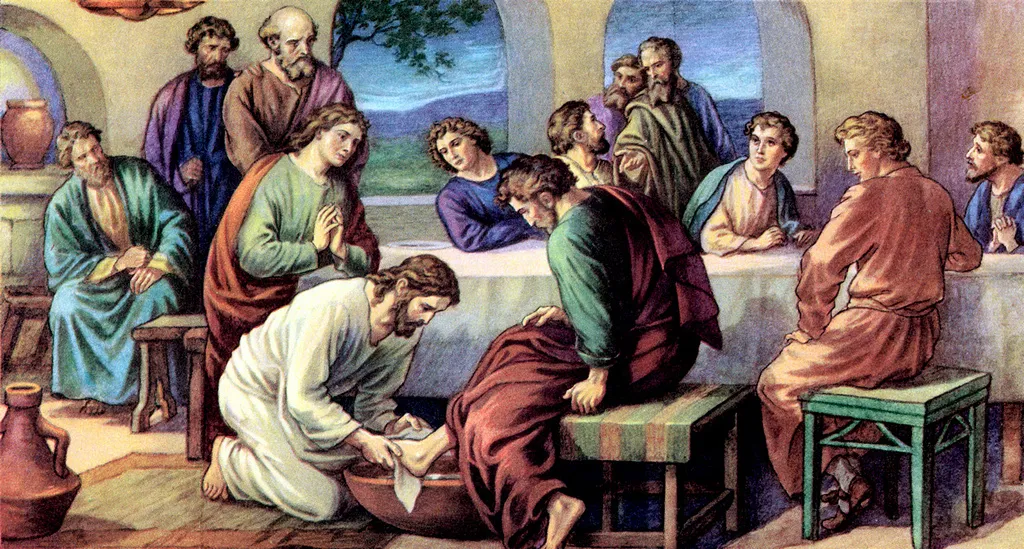
Jesus also washed His disciple's feet in John 13:1-17, an act of humility and service. This is a call for His follows to do the same for each other and to remain humble.
Good Friday
Good Friday marks the day Jesus is crucified. Multiple events happen this day before Jesus ultimately dies for our sins.
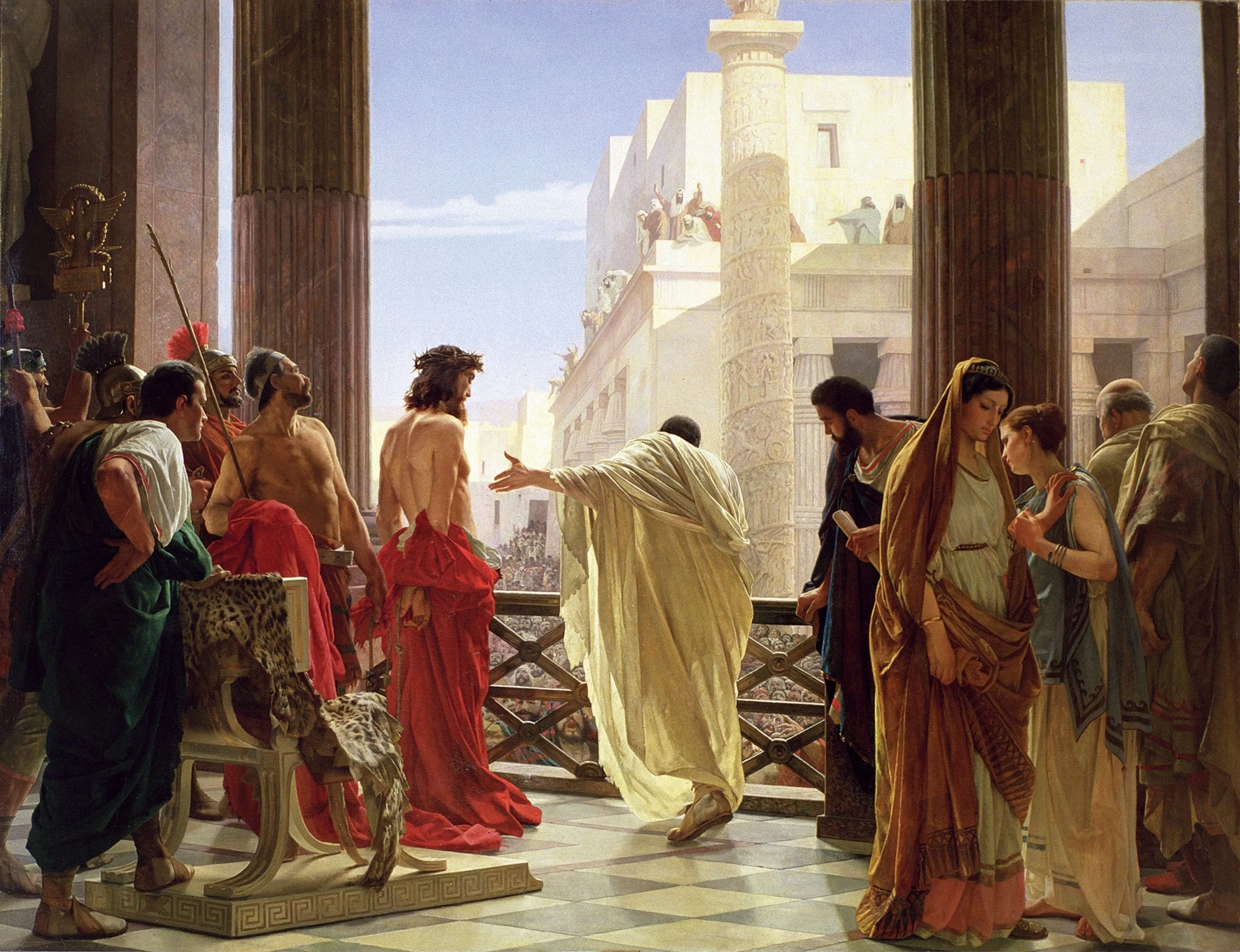
Jesus is put before Pontius Pilate, as the crowd begins to riot and demand for His crucifixion. Pilate did not want Jesus to be put to death, and offered the crowd to release Jesus or Barabbas (who was involved in an insurrection, robbery and murder).
Ultimately, the crowd wanted Barabbas free and Jesus to be crucified. Pilate then washed his hands and handed over Jesus.
Good Friday
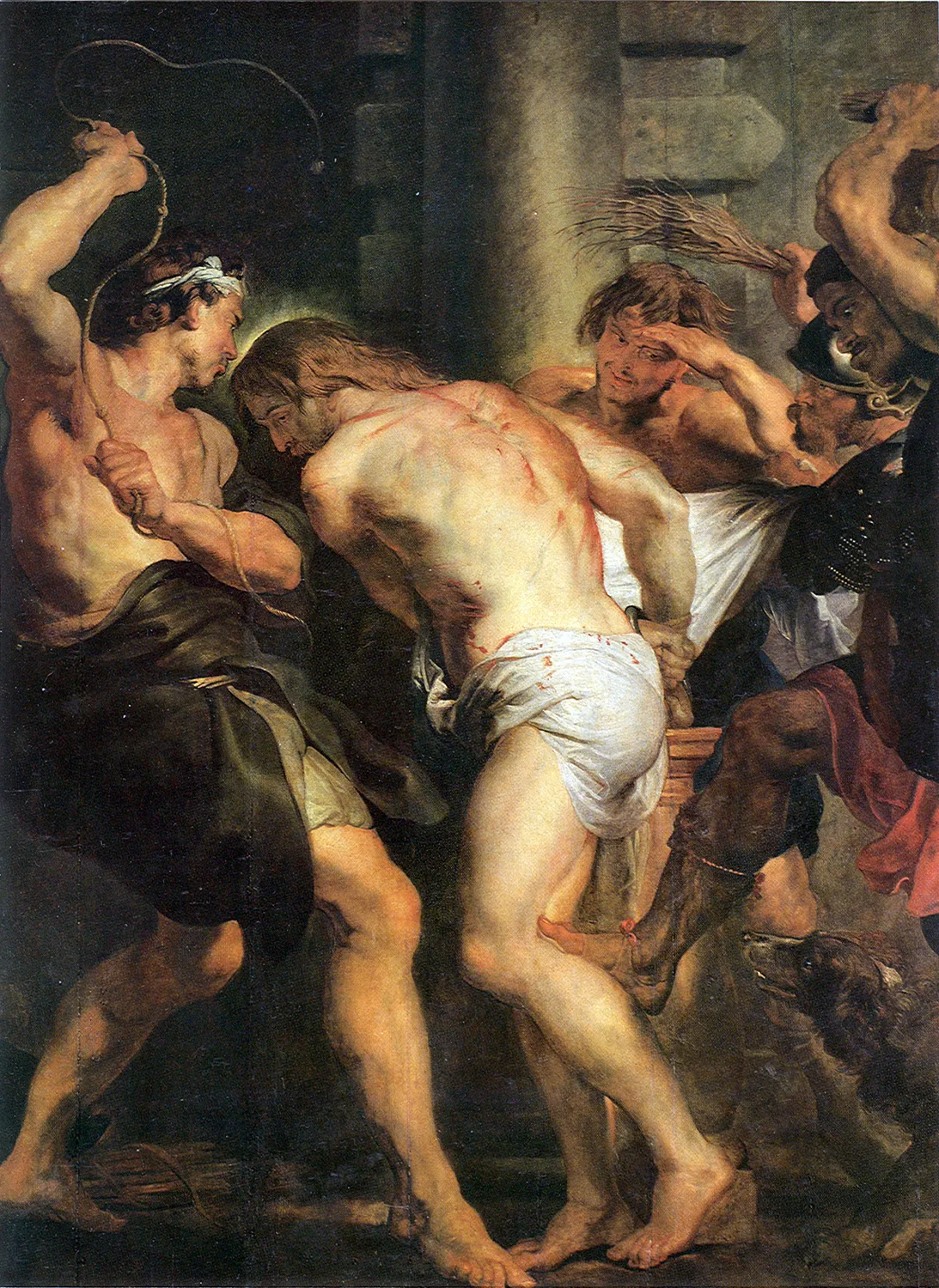
After being handed over, Jesus was publicly flogged and beaten by the guards. They also placed a crown of thorns over His head and gave Him a purple robe on His shoulders, then started mockingly calling him the "King of the Jews".
Good Friday
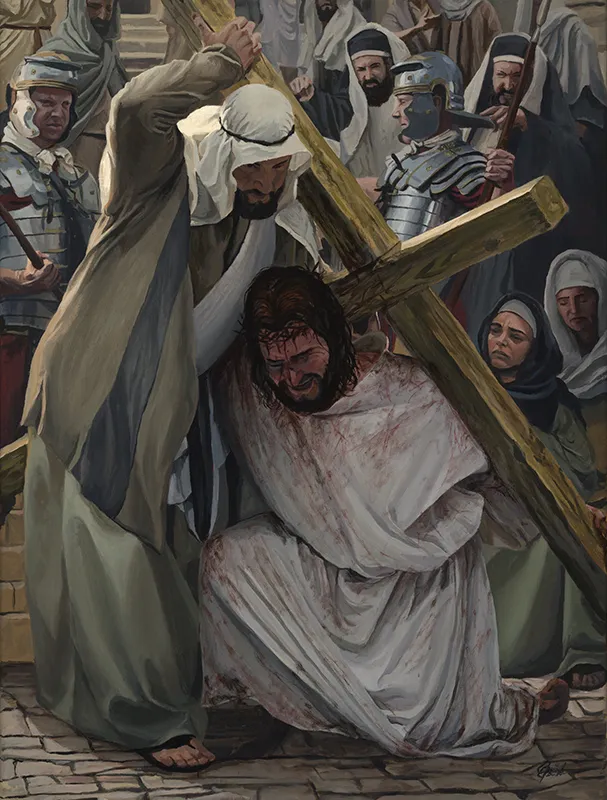
Afterwards, Jesus was forced to carry His cross to Golgotha, also known as the Place of the Skull. He began collapsing under the weight of the cross, and Simon of Cyrene was ordered to help Him carry it to the end.
Simon helping Jesus showed that He is fully human and struggles from physical weakness just like all of us, showing just how tremendous His sacrifice was. It also shows how Simon literally shared in Jesus' suffering, which has us asking: do we bare one another's burdens like Simon did with Jesus?
Good Friday
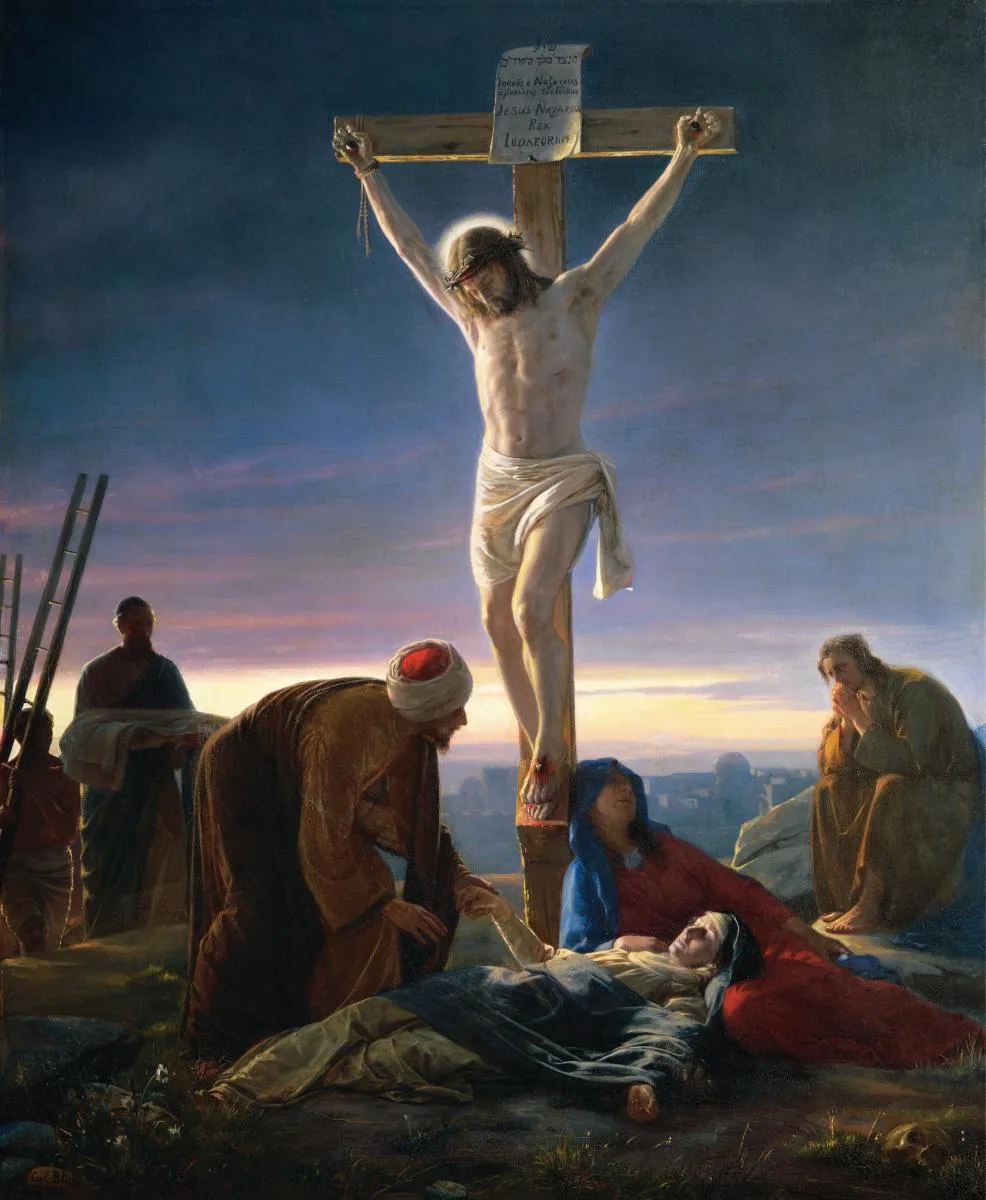
After reaching Golgotha, Jesus was nailed to the cross and crucified. He gave His mother Mary to John the beloved disciple. This signifies how Mary's role as the Mother of Jesus transforms into the role of our spiritual mother.
Jesus then drank sour wine one last time (John 19:28-30), which fulfills the Old Testament prophecy "They gave me poison for food, and for my thirst they gave me sour wine to drink" (Psalm 69:21).
Good Friday
After this, Jesus said "It is finished", and bowed His head and gave up His spirit. After His death, His body was removed from the cross by Joseph of Arimathea and Nicodemus, and his clothes were traded by the people.
Jesus was then wrapped in the Shroud of Turin and laid in a tomb. The chief priests and Pharisees went to secure the tomb to prevent people from stealing.
Holy Saturday
This is a day of waiting, where the Church waits at the Lord's tomb to meditate on His passion and death. Usual Mass celebrations are not held this day, as we wait for His ressurection.
Easter Sunday
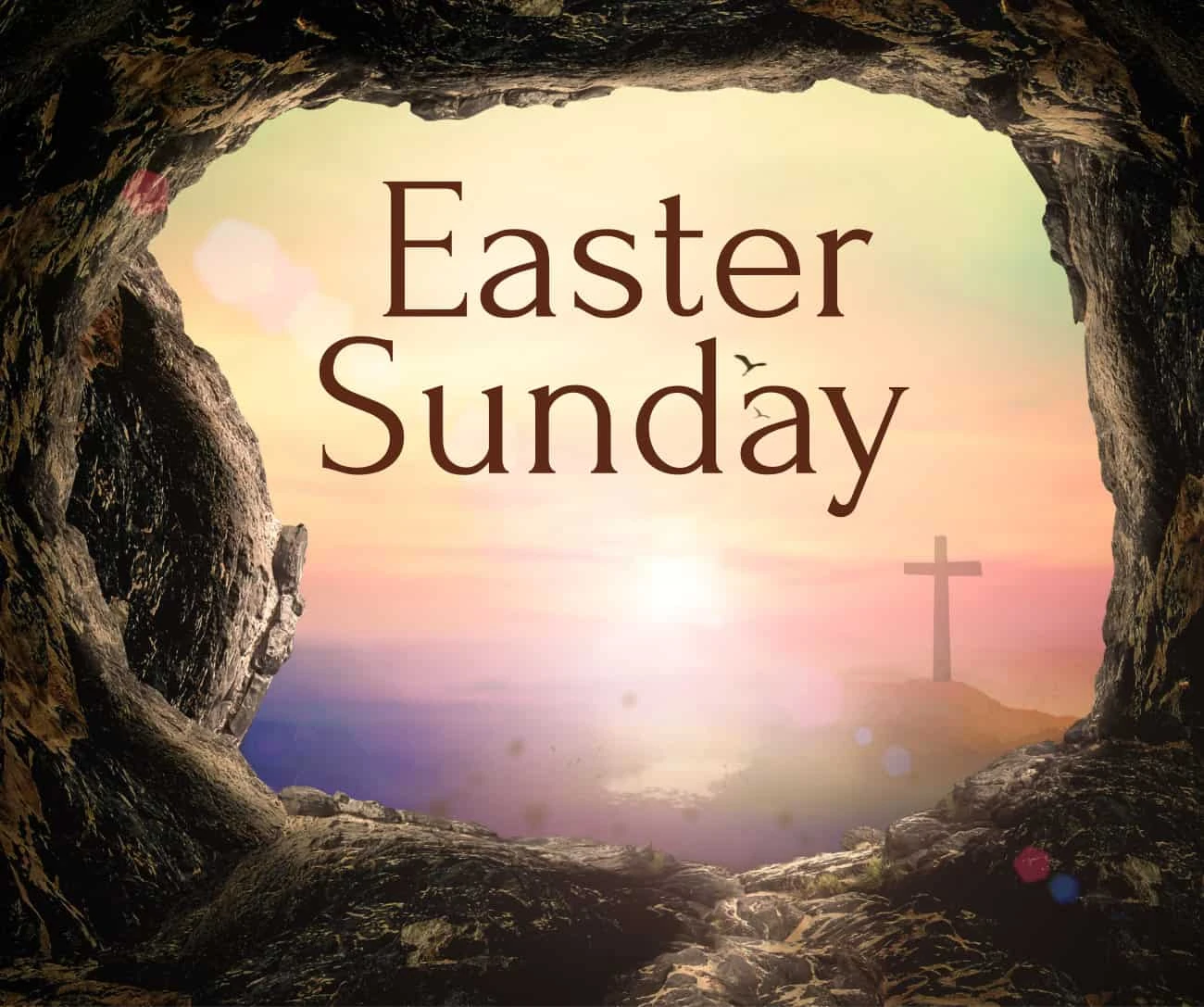
Jesus has finally risen from the dead, conquering death and granting us eternal salvation!
Mary Magdalene stayed at the tomb after Peter and John left. While weeping, she saw two angels inside the tomb and then Jesus. After He spoke to her, she recognized him and exclaimed "Rabboni!"
She was the first to see that Jesus has risen from the dead. Other women met Jesus afterwards, worshipping them. Jesus then appeared to Peter, and eventually He appeared to over 500 other people.
Review
- Palm Sunday: Jesus arrives to Jerusalem on a donkey.
- Holy Monday: Jesus drives merchants out of the Temple.
- Holy Tuesday: Jesus preaches in the Temple.
- Spy Wednesday: Judas betrays Jesus to the authorities.
- Holy Thursday: The Last Supper takes place.
- Good Friday: Jesus is crucified.
- Holy Saturday: A day of waiting.
- Easter Sunday: Jesus rises from the dead.